
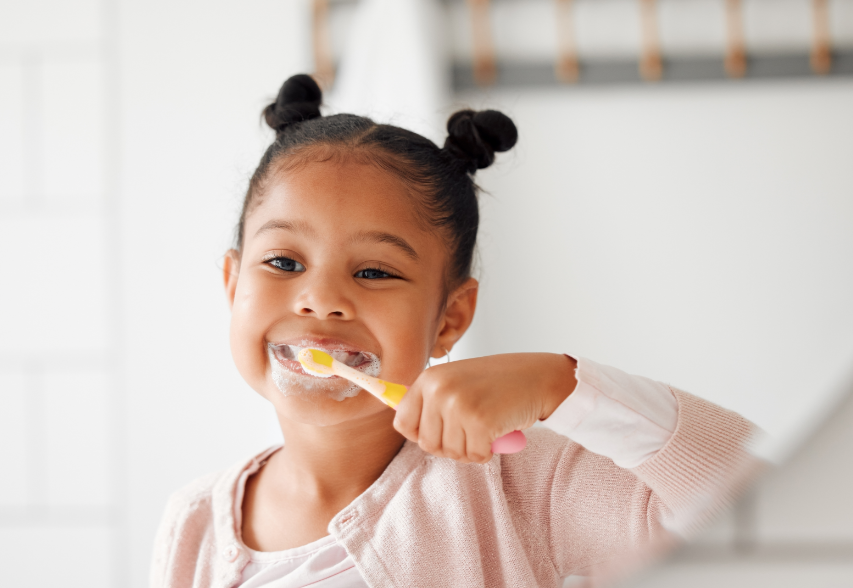
When it comes to brushing, one size definitely does not fit all—especially for kids. From toddlers learning to brush for the first time to teens navigating braces, the right toothbrush can make daily oral care easier, more effective, and even more enjoyable. Choosing a toothbrush based on age, dental needs, and comfort helps set children up for healthier smiles as they grow.
Toothbrushes for Babies and Toddlers
For infants and toddlers, toothbrushes should be small, soft, and gentle. Baby toothbrushes typically have tiny heads that fit comfortably in small mouths and ultra-soft bristles to protect developing gums. Many also feature larger handles designed for parents to hold while brushing.
At this stage, brushing is more about building habits and keeping gums and early teeth clean than achieving a perfect technique. A soft toothbrush used twice daily helps remove bacteria while keeping the experience comfortable.
Choosing the Right Toothbrush for Young Children
As children grow, their toothbrush should grow with them. Preschool and elementary-aged kids benefit from toothbrushes with small heads, soft bristles, and easy-to-grip handles. Bright colors or fun characters can also encourage kids to brush longer and more consistently.
Soft bristles are especially important for children, as hard bristles can irritate gums and wear down enamel. A toothbrush that feels comfortable and easy to use makes kids more likely to brush effectively on their own.
Toothbrushes for Kids with Braces
Braces make brushing more challenging, which means the right toothbrush is even more important. Orthodontic toothbrushes often have specially shaped bristles designed to clean around brackets and wires. These brushes help remove food particles and plaque that can easily get trapped.
Some kids with braces may also benefit from electric toothbrushes, which can provide more consistent cleaning with less effort. Regardless of the type, brushing carefully and thoroughly is key to preventing cavities and white spots during orthodontic treatment.
Manual vs. Electric Toothbrushes for Children
Both manual and electric toothbrushes can be effective when used properly. Manual toothbrushes are affordable, easy to use, and great for younger kids who are still learning proper brushing techniques.
Electric toothbrushes can be especially helpful for older children and teens, as they may improve plaque removal and help kids brush for the recommended two minutes. The best option is often the one your child is most comfortable using consistently.
Special Considerations for Sensitive Gums and Oral Health Needs
Some children have sensitive gums, enamel concerns, or medical conditions that require extra-gentle care. Toothbrushes labeled for sensitive mouths typically have extra-soft bristles that reduce irritation while still cleaning effectively.
If your child experiences bleeding gums, discomfort while brushing, or ongoing dental issues, adjusting their toothbrush can make a noticeable difference in comfort and oral health.
Choosing the right toothbrush helps make brushing easier, healthier, and more enjoyable for kids at every stage.
About the Practice
Dr. Bryce Cushing of Surf’s Up Dental is dedicated to helping children build strong, healthy oral habits from an early age. Our team provides preventive, restorative, and educational dental care in a welcoming environment designed for kids and families. With an emphasis on age-appropriate tools and personalized guidance, we supporting parents in choosing the right oral care solutions to support their child’s long-term dental health.
Call us at (402) 773-7873 or request an appointment online.