
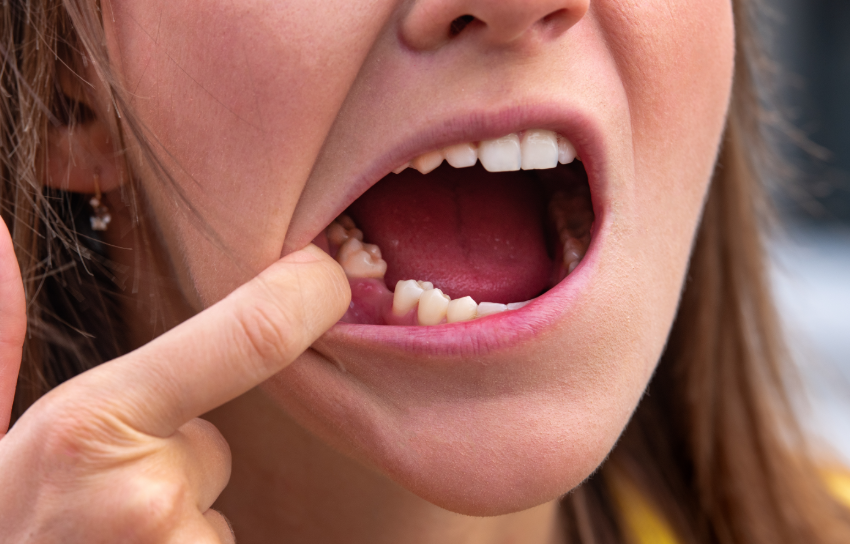
Losing a baby tooth is a major milestone in childhood. For some kids, though, that milestone can come with plenty of worry. The idea of a loose tooth, a little blood, or the thought of something falling out of their mouth can understandably feel strange or even frightening.
The good news? With a little preparation and reassurance, parents can help turn tooth loss into something your child looks forward to rather than fears.
Talk About What to Expect
One of the easiest ways to reduce fear is to explain what is happening before your child loses their first tooth. Children typically begin losing their baby teeth around age 6, although there is plenty of individual variation. As permanent teeth develop, the roots of baby teeth gradually dissolve, allowing the teeth to become loose and eventually fall out.
Keep the explanation simple and age-appropriate. Let your child know that losing baby teeth is a normal part of growing up and that a new permanent tooth will eventually take its place.
Let Your Child Ask Questions
If your child is worried, give them plenty of opportunities to talk about it. They may have questions you haven’t considered: Will it hurt? Will there be blood? What if I swallow my tooth? What happens to the empty space?
Try not to dismiss their concerns with a quick “There’s nothing to be scared of.” Instead, acknowledge the feeling and provide reassurance. Childhood fears are common, and supportive conversations can help children work through them.
You can also read children’s books about losing teeth together or watch age-appropriate videos that show other children experiencing the same milestone.
Make It a Celebration
A little excitement can go a long way! Consider creating a fun family tradition around the first lost tooth. Maybe your child gets to choose a special dinner, pick out a small prize, or participate in a tooth fairy tradition.
If your family celebrates the tooth fairy, talk about the tradition ahead of time so your child knows what to expect. For some children, having something fun to anticipate can make the idea of losing a tooth feel much less intimidating.
Don’t Force a Loose Tooth
When a tooth starts wiggling, your child may be eager to get it out—or they may want absolutely nothing to do with it. Let them take the lead when possible.
Many children naturally wiggle loose teeth with their tongue or fingers. If a tooth is ready to come out, it may eventually fall out on its own. If you’re unsure whether a tooth is ready or something seems unusual, ask your child’s dentist for guidance rather than forcing it.
Keep Dental Visits Positive
Regular preventive dental visits can also help your child feel more comfortable with changes happening in their mouth. Dental professionals can monitor the transition from baby teeth to permanent teeth and identify potential concerns with eruption or spacing.
If your child is anxious about dental care, let the dental team know. The American Academy of Pediatric Dentistry recommends child-friendly approaches such as positive reinforcement, distraction, clear communication, and gradual desensitization to help children feel more comfortable during dental visits.
With patience, encouragement, and a little creativity, losing a baby tooth can become a milestone your child remembers with a smile.
About the Practice
Surf’s Up Pediatric Dentistry provides comprehensive dental care with an emphasis on preventive dentistry and helping patients maintain healthy smiles. Dr. Cushing offers preventive services designed to support oral health at every stage of life, including children’s developing smiles.
For families navigating milestones such as losing baby teeth, regular dental care provides an opportunity to monitor your child’s oral development while helping them build positive dental habits for years to come.
Call us at (402) 773-7873 or schedule your appointment online.